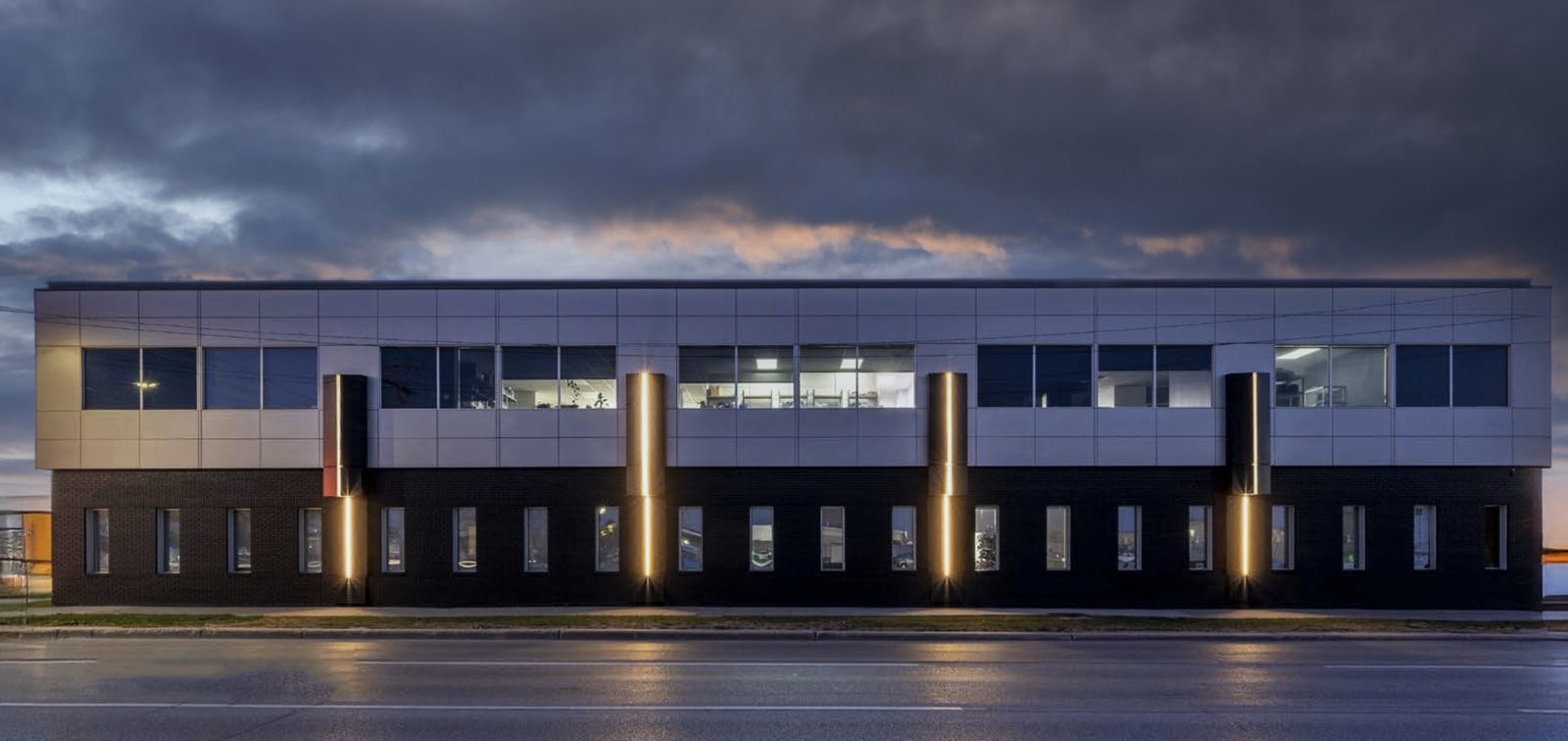
A plant is not finished when the last panel is hung. It is finished when the operators have been trained, the systems have been tested under load and the owner holds the documents needed to run, insure and expand the building. We plan that last stretch from the first schedule, because a rushed turnover costs more than any other part of the job.
New Mexico owners often operate in places where help is far away. A refrigeration or power fault at a plant two hours from a service center is not a quick fix, so we put extra effort into commissioning: verifying that fire protection, power, controls, compressed air and building envelope systems perform to the design intent before the crew leaves. Our field team stays through initial operation to answer the questions that only arise under real use.
We keep the closeout simple. A single checklist lists every inspection, test, training session, warranty and record the owner is to receive, with dates and names. Items move from open to closed with a signature, and the owner can see progress at any time. The checklist is shared at the first owner meeting, not produced at the end, so nobody learns in the final week that a training session or a test report was part of the contract.
Commissioning that starts in construction
Commissioning is easier when testing is built into the schedule from the beginning. As each system is installed, we complete a series of checks: component inspection, pre-functional tests, startup by the manufacturer, functional performance tests and, where required, integrated tests with other systems. Results are recorded on forms that the owner's engineer can review, and deficiencies go into a log with owners and due dates.
Where the plant has complex controls or process equipment, we bring the controls integrator, equipment vendors and the owner's operations staff to the same table early. A simple sequence of operations written in plain language can prevent days of troubleshooting. We also schedule a dry-run of startup with the operators before the first production, so the first real run is not the first rehearsal. Punch list work is handled the same way: walked with the owner's representative by area, photographed, assigned to a named trade with a date, and verified by our superintendent before the item is closed. We do not call a room complete while items remain open in it, because a half-finished room is where accidents and damage happen.
Turnover deliverables
The turnover package includes as-built drawings, operations and maintenance manuals, warranty letters, test and balance reports, fire alarm and sprinkler acceptance records, electrical test results, equipment startup reports, spare parts lists and training records. Each document is indexed and delivered in both paper and digital form, with a sheet that connects every item to the specification section that required it.
We also provide a walk-through for the owner's maintenance staff covering shutoffs, panels, access points, roof drains, gate hardware and the location of every critical valve. Owners facing a landlord, lender or insurer review find these records save weeks. For projects with an occupied-site phasing scope, turnover happens zone by zone, with signatures at each handoff.
Safety during testing and startup
Startup is a higher-risk phase than most owners expect. Energizing new switchgear, pressurizing piping, running rotating equipment and operating fire pumps all involve stored energy. Every test runs under a written procedure, a permit to work and a lockout plan, and anyone not involved in the test is kept out of the area. We keep an authorized person at each energized panel and brief all crews before the first power-up.
Fire protection acceptance is a particular focus. The fire water loop and hydrants are flushed, pressure-tested and flow-tested under the authority's observation, and the sprinkler, alarm and pump systems are tested together. We document each witnessed test with the inspector's name and date, so the file is ready for the certificate of occupancy.
Inspections and approvals before occupancy
The 2020 New Mexico Electrical Code took effect March 28, 2023, and electrical inspections for a new plant follow it, including for services, feeders and any underground duct bank. The building itself is inspected against the 2021 commercial code, and the energy code adds its own verification items. We keep a master inspection list and book the final building, fire and electrical inspections as a sequence, not as separate scrambles.
If a plant has special systems, such as process safety interlocks, hazardous materials storage or high-piled storage, additional reviews may be needed. We identify these during preconstruction and set aside time for them at the end. Open permits are closed and records filed before we call the project complete. We also hand over the permit set, the inspection record and the list of authorities that signed off, so the next owner of the building, or your own expansion team, can see what was approved and under which rules.
Why a good closeout saves money
Short, structured commissioning is cheaper than long troubleshooting. Failures found during functional testing are fixed while subs are still on site; failures found in month three require callbacks and remobilization. Documentation gaps cost money too, since a missing O&M manual or an unlabeled valve can mean an expensive service call.
Owners in sectors where test records are scrutinized, such as pharmaceutical and life sciences work, expect formal protocols and traceable records. Los Alamos National Laboratory reports almost 900 individual facilities, including 13 nuclear facilities, and Sandia National Laboratories reports a fiscal year 2025 workforce of 16,320. Contractors who supply that world are used to formal records, and owners who sell into it often expect the same of their own plants. We bring that discipline to industrial turnover in Los Alamos and beyond, and to the manufacturing plants that serve them.
Make turnover part of the first schedule
Tell us what systems your plant depends on. We will build the test, training and documentation plan with you before the first footing is poured.
Common Questions
How long should we allow for commissioning?
It depends on the number and complexity of systems, but we plan it as a defined phase in the schedule rather than a few days at the end. Simple warehouse buildings may need a couple of weeks of testing and training; a plant with process equipment, controls and fire pumps needs more. We give you the duration after reviewing the systems list.
Who is responsible for training our operators?
The equipment manufacturers and installers conduct system-specific training, and we schedule it and record attendance. We also run a general building walk-through for your facility staff. If you want a recorded session for later use, we can arrange.
What if a system fails a functional test?
The failure goes into the deficiency log with the cause, the responsible trade and a due date. The system is retested after the fix and the result is recorded. If the failure affects the opening date, we tell you right away and propose a work-around.
When do warranties start?
Usually at substantial completion or equipment startup, depending on the contract and the manufacturer. We list the start date for each warranty in the turnover package and track the end dates for you, so claims are not missed.
Related
Related Services
Related Building Types
Ready to talk about your project?
Request a Project ReviewOne project team for the whole sequence
Industrial Contractors of New Mexico reviews the site, the loads, the schedule and the approvals before pricing, then schedules, coordinates and inspects the specialty trade partners from preconstruction through closeout.