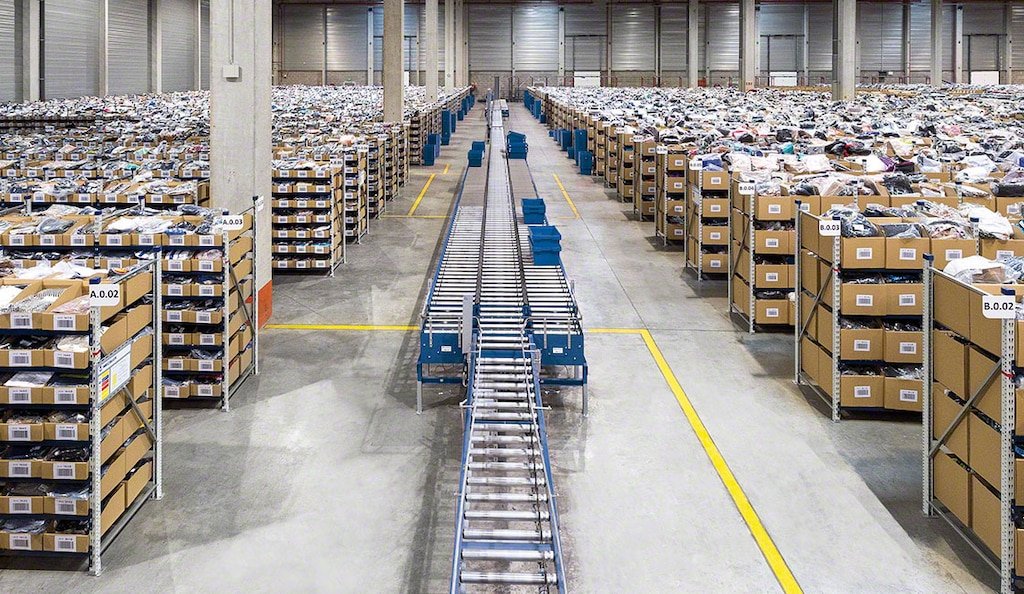
Peak season is the deadline for an e-commerce fulfillment building, and it does not move. An operator who signs a lease in spring needs racking, conveyor and a staffed shift in place well before the fall surge, which leaves the construction team a window measured in weeks. We build fulfillment centers, returns facilities and parcel hubs in New Mexico with that calendar in mind, and we plan every project backward from the date the first order has to ship.
Albuquerque is the natural center for this work. CBRE's third quarter 2026 industrial report describes vacancy as low by historical standards, supported by rising rents and no new supply additions, with demand rebounding after a softer second quarter. Low vacancy sends tenants toward build-to-suit and expansion options, and that is where a contractor who understands the local site conditions helps the most. The Albuquerque International Sunport also reported 83,355,710 pounds of cargo in 2025, which indicates the volume that moves through the region by air.
The people who hire us are operations leaders, real estate directors and third-party logistics firms. They ask for clear heights, dock ratios, floor flatness and power for automation, and they want a single schedule that shows when each is delivered. Our answer is a gate-to-gate construction plan that includes deliveries, inspections and the handover of each zone.
Where the Money Goes in a Fulfillment Building
The shell is a familiar number, but the fulfillment-specific items decide the budget: a higher floor slab with tight flatness tolerances for narrow-aisle equipment, power for sortation and charging, fire protection for tall rack storage, and lighting that suits picking work. A warehouse shell can be priced early, while the rest depends on the operator's automation choices.
We recommend splitting the budget into the base building, the tenant's fixed equipment and the allowances for items not yet selected. That makes it clear which decisions will change the total. If racking suppliers or automation integrators have not been chosen, we can carry a range for slab thickness, anchor bolt layout and power, and update it as the vendor submits drawings. Site work can also be large on a flat lot with limited drainage. Caliche excavation and detention volume deserve a line of their own.
Formats We Build for Online Retail
An e-commerce operation can occupy several building types. Large-format fulfillment centers use high-bay space, with a mezzanine for pick modules and a dense dock pattern on one or two sides. Smaller last-mile stations need many van doors, parking for delivery vehicles and an efficient sort floor. Returns centers need space for inspection and repackaging, often with a mezzanine of its own.
For the first format, our page on the logistics fulfillment center goes deeper into the building itself. For second and third, we adapt standard warehouse shells with additional dock aprons and loading zones, and we add vehicle parking and charging as the operator requires. Operators who handle pharmaceuticals or other regulated goods can read our notes for pharmaceutical and life sciences clients, because the storage rules differ.
Scope From Slab to Sortation
Our scope covers the site and the building: grading, paving, utilities, the foundation and slab, the structure, the roof and the exterior, and the interior systems the tenant needs on day one. Where the operator wants extra storage area without a larger footprint, we design and erect mezzanines, catwalks and platforms with the right live-load capacity for pick modules and conveyors.
We leave the building ready for the automation contractor, which means marked conduit stubs, embed plates where equipment will be fastened, a flat slab and a clean, dry interior. Coordination with the operator's integrator is part of our weekly meeting, because late changes in conveyor layout move columns, power drops and sprinkler heads. Locations along the I-25 and I-40 interchange in Albuquerque, known as the Big-I, suit operations that need quick access to both interstates.
Working Back From Peak Season
Because the turnover date is fixed, we build the schedule from that date backward. The last steps are the operator's racking and automation, then the final inspections, and before that the slab and the interior systems. We confirm with the permit office how long a certificate of occupancy takes and keep a buffer for it, because a building that is complete but cannot be occupied is a missed peak season.
Where time is extremely short, we turn over the building in zones: the receiving area and first racking bays are released first, while work continues in the rest of the building. In Rio Rancho, where the mayor reported $6 billion of investment over ten years and growth around the Unser Gateway, review processes differ from Albuquerque's, so we plan submittals by jurisdiction. Speculative warehouses of 365,000 and 135,000 square feet were being built near Santa Teresa in 2022, which shows the building sizes private developers there were willing to start without a named tenant.
Labor, Power and Parking
Staffing drives the site plan. A fulfillment center may employ hundreds of workers per shift, and the parking field, the bus stop and the pedestrian route to the entry must be planned for them. In Rio Rancho, with NM 528 and NM 550 as its principal roads, and in Albuquerque, with its interstate network, owners can weigh commute patterns alongside rent.
Power is the other constraint. Automation, battery charging and cooling loads increase the electrical service well beyond a conventional warehouse, and utilities may take months to deliver it. We ask for the utility estimate in the first weeks, and we compare it against the operator's equipment list. When a proposed site cannot deliver enough power in time, we say so early. A logistics and distribution project nearby can draw on the same workforce, so we raise that with the owner during site selection.
Set Your Ship Date
Give us your go-live date, your clear height and your automation plan, and we will return a backward-planned schedule and a budget that separates base building from tenant equipment.
Common Questions
How fast can a fulfillment center be built in New Mexico?
The answer depends on the size, the site and the permit path. We do not promise a number without a site walk, but we can show you a backward schedule from your go-live date with each milestone and each risk. Early release of structural steel, panels and electrical gear shortens the critical path more than any amount of overtime.
What floor flatness do narrow-aisle systems need?
The specification comes from the equipment vendor and is usually tighter than a standard warehouse slab. We place and finish the floor to that tolerance, test it after the pour and correct what does not pass. We want the vendor's numbers before the slab is designed.
Can you build a mezzanine as part of the first phase?
Yes. We design it for the live loads your pick modules and conveyors impose, coordinate columns with the racking plan and include the fire protection and egress it requires. Adding it during the base build costs less than cutting it in later.
Do you work with the integrator who installs the automation?
We do. We hold weekly meetings with the integrator, share the schedule and drawings, and set up a handover sequence so their crews can begin in finished zones while our work continues elsewhere.
What are the main risks to a peak season date?
Electrical equipment delivery, permit review, and late design changes from the operator. We track each from the first week and bring a mitigation plan to the owner whenever one of them slips.
Related
Related Services
Related Building Types
Related Industries
Related Service Areas
Ready to talk about your project?
Request a Project ReviewOne project team for the whole sequence
Industrial Contractors of New Mexico reviews the site, the loads, the schedule and the approvals before pricing, then schedules, coordinates and inspects the specialty trade partners from preconstruction through closeout.