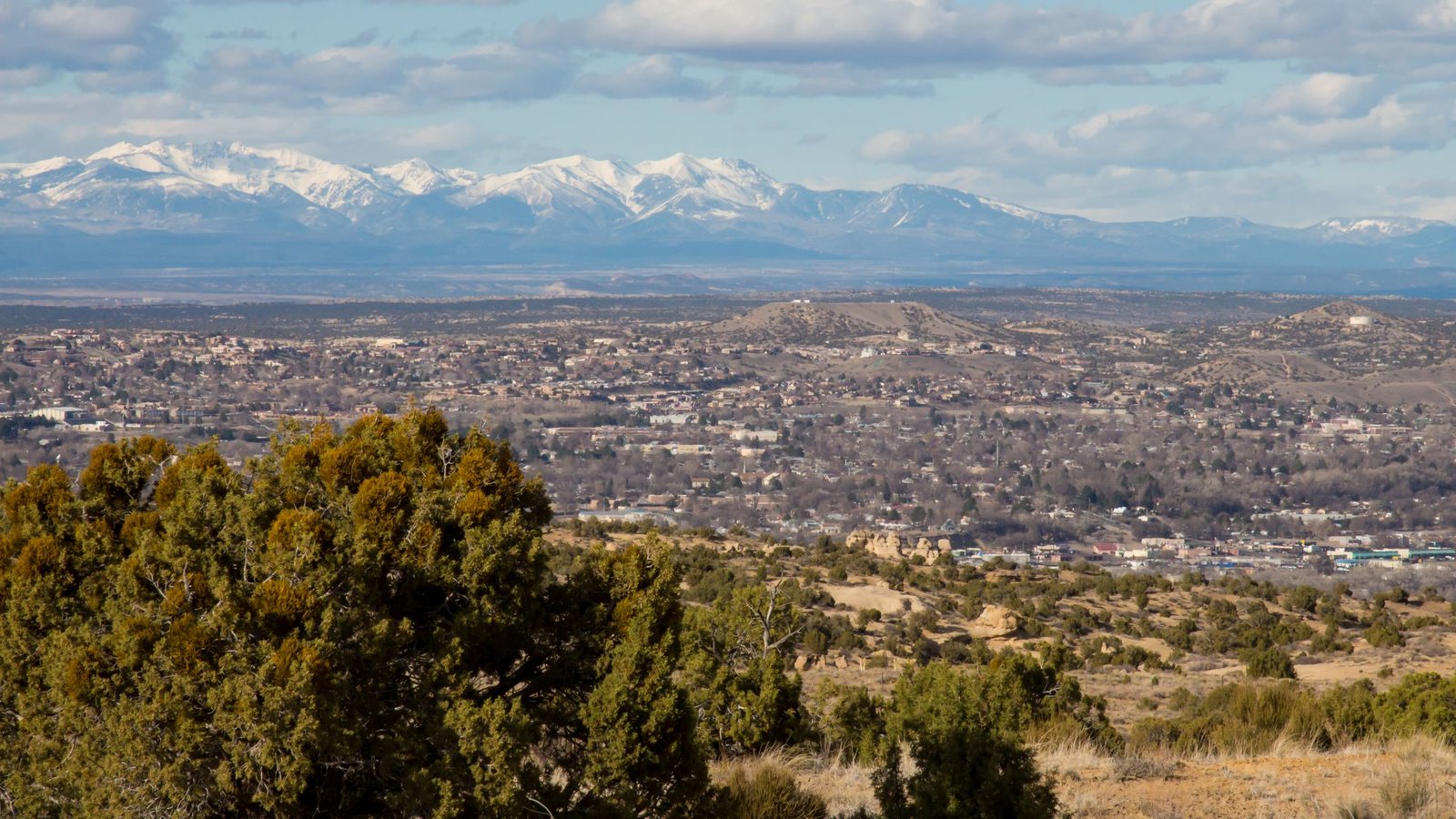
Energy owners in San Juan County are deciding what to do with industrial ground that was built around a different fuel, and small manufacturers are deciding whether to move onto it. We work on both questions: taking out slabs, foundations and obsolete structures, and putting up machine shops, fabrication buildings and support space for the next user. Safety comes first in both, because the work is often close to live utilities, heavy equipment and people who are still operating.
PNM said on September 30, 2022 that the last unit of its coal-fired San Juan Generating Station had been removed from service, following Units 2 and 3 in 2017 and Unit 1 in June 2022. Since then the region's industrial map has kept changing. A June 9, 2026 state press release says an out-of-state machining company is expanding onto a 16-acre property just north of Farmington, with 22 jobs, $250,000 in LEDA funding, an existing building to be renovated and a new 11,000-square-foot facility.
That pairing of closure and new investment is where we fit. We scope demolition, site reuse and new construction as one plan, so owners see the whole path from the old structure to the new production floor.
Highways, aviation and institutions
U.S. Highway 64 is the major east-west highway through San Juan County and across Farmington, and NM 516 is a southwest to northeast connector between Farmington and U.S. 550 in Aztec. Material and equipment reach most sites by those routes, and long hauls mean we plan deliveries carefully. Four Corners Regional Airport has two asphalt runways, 6,501 by 150 feet and 6,704 by 100 feet, on 603 acres at 5,506.6 feet elevation, and it has offered daily nonstop United jet service since May 2025, a convenience for engineers and owners who travel to project meetings.
Large institutions also create steady building demand. San Juan Regional Medical Center is a community-owned, non-profit 198-bed hospital and Level III trauma center, and San Juan College reports 829 employees as of Spring 2026 and more than 9,200 students in fall credit enrollment. They need warehouses, central plants, shops and yards, and we build those support buildings.
Working beside live systems
Demolition and renovation near an energy site is a safety exercise first and a construction exercise second. We begin with a hazard review: energized lines, pressurized systems, hazardous materials, confined spaces and overhead work. Every task that involves one of those hazards receives a permit to work, signed by the owner's operations lead and ours, and tools and people are checked in and out of the work zone.
Our industrial demolition services follow a written plan: isolate, verify, remove, sort, haul. Materials are separated for reuse or recycling where possible, and the exposed ground is graded and stabilized so the site is ready for the next building. We do not start demolition until utility disconnections are verified in writing.
From slab removal to a new machine shop
A reuse project often begins with demolition and slab replacement. The old slab may be cracked, contaminated or too thin for new equipment, so we saw cut, remove and haul it, then place a new slab with the thickness, reinforcement and flatness required. Foundations for machine tools are formed with isolation joints, and anchor bolts are set by survey.
New buildings follow. A metal shell with an insulated envelope, bridge crane runway, compressed air and heavy electrical service suits most machining and fabrication users, and we detail it with clear heights and door sizes chosen for the parts they move. Owners with a small existing building can often add a bay for less than a full new plant.
Code basis and local approvals
The New Mexico Commercial Building Code adopts the 2021 International Building Code as amended, effective July 14, 2023, replacing the 2015 code. The 2020 New Mexico Electrical Code, effective March 28, 2023, governs electrical work. Both set the design basis for new buildings and for the alterations that trigger code upgrades in existing ones.
When a building changes use, owners should expect a review of occupancy, egress, fire protection and accessibility. We perform a code review at the start of a renovation, list the upgrades it will trigger and give the owner a cost for each. That is the information needed to decide between reusing a structure and starting fresh.
Machining, fabrication and energy support
Our local work falls mainly into metals and heavy industry, where shops need cranes, heavy floors and power, and utilities and power, where owners need yards, warehouses, switchyard support and maintenance buildings. Small manufacturers that serve the oil and gas business also need laydown yards and truck access.
We keep our designs flexible. A building that can serve a machining company today should be able to serve a fabrication or warehousing tenant tomorrow, so we avoid features that tie the structure to a single use unless the owner requires them.
Winter, distance and shutdown windows
Farmington sits at higher elevation than the southern border region, and winter brings cold mornings that affect concrete and masonry. We plan placements with blankets, heated enclosures and admixtures when needed, and we move critical pours to warmer parts of the year when the schedule allows. Steel and equipment arrive in sequence so crews are not working around piles of stored material.
Shutdown windows at operating sites are short, so we prefabricate where possible and rehearse tie-ins. Owners also working in Aztec or Bloomfield can combine mobilizations and save on travel.
Plan demolition and reuse together
Send us the site, the structure and what you want it to become. We will return a hazard review, a sequence from isolation to new foundations and a cost range for each phase.
Common Questions
Can demolition and new construction be handled under one contract?
Yes. A single plan reduces gaps between the end of demolition and the start of foundations, and it lets us reuse haul roads, laydown and temporary utilities. We can also price the phases separately if you want to bid them.
What approvals are needed before demolition?
Utility disconnection, hazardous material surveys, notifications and permits all come first. We collect them in a checklist and do not begin until each is in writing.
How do I decide whether to reuse an old building?
Compare the structure, the slab, the roof and the electrical service with your needs, then add the code upgrades a change of use will trigger. We give you a written condition report and cost range for both reuse and replacement.
Does winter weather stop construction?
It slows some work. We protect concrete, schedule exterior work for milder days and move interior work forward when the weather is bad.
How can I find out about local business incentives?
The state economic development department and local agencies announce programs such as LEDA funding. We can help you estimate construction cost and schedule so your application is realistic.
Related
Related Services
Related Industries
Ready to talk about your project?
Request a Project ReviewOne project team for the whole sequence
Industrial Contractors of New Mexico reviews the site, the loads, the schedule and the approvals before pricing, then schedules, coordinates and inspects the specialty trade partners from preconstruction through closeout.