Owners in Lovington often buy a building that was built for something else, and our first job is to find out what that building can still carry. In March 2020, Big Dog Industries bought the former 90,000-square-foot Lovington Cheese Plant and planned over $15 million of investment and 125 direct jobs within five years, with the state pledging $750,000 and the City of Lovington $250,000 in incentives. A reuse like that raises the questions we answer every week: what is under the slab, how are the utilities sized, and which walls can be opened without a structural redesign.
We take on renovation and expansion alongside new construction. A site walk with a structural engineer, a utility locate, and a review of the original drawings (when they exist) come before a price. If the drawings are missing, we open small test sections and record what we find. Owners get a condition report in plain language and a list of choices, so the decision to keep, modify or replace is theirs.
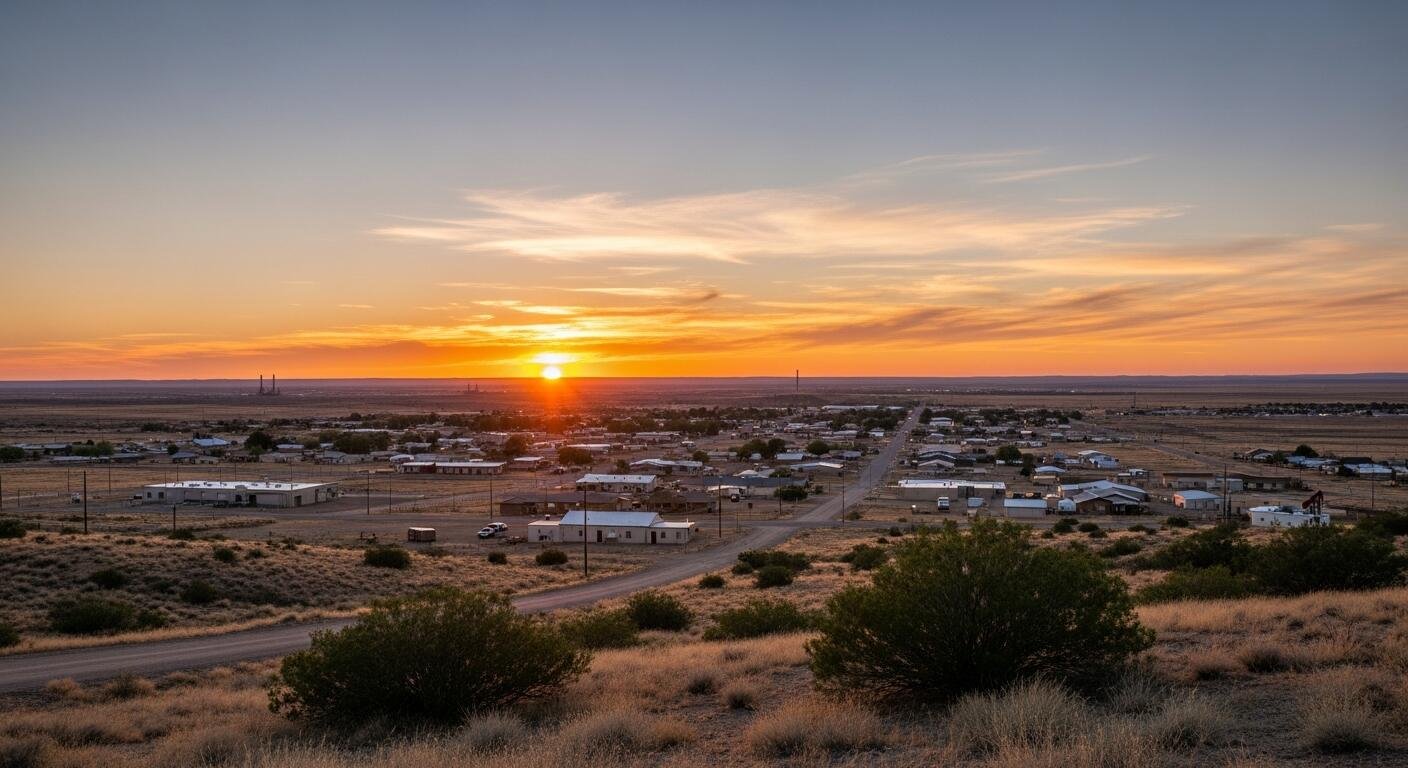
Lovington is the county seat of Lea County, and its position on the plains matters for site work. The terrain is open, wind is a constant, and storms can drop a large amount of water on flat ground in a short time. We plan dust control, erosion control and drainage on every parcel before earthwork starts.
How we convert and expand existing industrial buildings
Conversion work is a sequence of small decisions made early. First we confirm the structure: column spacing, roof capacity, floor thickness and any previous modifications. Then we check the services, because an older food plant may have refrigeration, wastewater and process piping that must be removed, reused or isolated. Finally we confirm the use and occupancy the owner intends so the building official can tell us which code path applies.
Selective demolition is done with the same permit-to-work discipline as new construction. We label, isolate and cap lines before cutting, and we separate waste streams so disposal costs are predictable. Our industrial renovation and modernization work brings the building back to a clean shell and then installs the new floors, utilities and openings the process requires. Where an old slab has failed, a slab replacement is scheduled so adjacent operations can continue.
Highways, rail and the Lea County network
US 82 runs through the center of Lovington, NM 18 runs 21 miles southeast to Hobbs, and NM 83 runs 18 miles east to the Texas border. The Texas & New Mexico Railway provides freight service to Lovington, which is the northern terminus of the line. That combination of highway and short-line rail is useful for bulk materials, equipment deliveries and outbound product, and it shapes where we place truck courts and any rail-served pads.
The same network connects to neighboring work. To the southeast, Hobbs is only 21 miles away on NM 18, and Artesia sits at the other end of US 82, 64 miles west. Owners with facilities in more than one of these towns often ask us to carry a single safety program and a single set of records across them. We do that, and we keep a field crew rotation that limits travel time.
Plants, solar and industrial parks around town
A 2021 Lea County Tribune article described a proposed solar farm on two parcels at the Lovington industrial park on the Hobbs Highway (NM 18), totaling 1350 acres. A proposal is not a project, and we do not build it into a forecast. We do see that the industrial park is a place where large parcels are available, and that energy-related owners need access roads, pads, fencing and electrical enclosures. Our utilities and power scope includes those items.
EnergyPlex Park is described as an industrial park located between Hobbs and Lovington, with rail access via the Texas-New Mexico Railroad and no impact fees or inventory taxes. That description comes from promotional material, so we advise owners to confirm terms with the park and the jurisdiction. For manufacturers, we build food and beverage processing shells and light-industrial space, and we keep room for the clean-in-place and wastewater equipment those processes need.
Scheduling on the plains
Lovington sits at 3,918 feet, slightly north of the center of Lea County. Wind, heat and the occasional hard storm all affect scheduling. We start concrete early in the day in summer, use windbreaks on large slabs, and stage rebar, forms and embeds so a pour can start when the weather allows. When a front moves in, we know in advance which tasks can be moved indoors.
Steel and mechanical packages often have longer lead times than the concrete, so we release them as soon as design allows. A typical sequence is survey, mass grading, utilities, foundations, shell, interior and commissioning. We publish that sequence at kickoff and update it each week with real dates, so an owner sees any slip while it is still small.
Permit steps for a Lovington project
New Mexico's 2021 Commercial Building Code (14.7.2 NMAC) adopts the 2021 International Building Code as amended by the rule, effective July 14, 2023. The 2021 New Mexico Commercial Energy Conservation Code adopts the 2021 International Energy Conservation Code as amended, effective January 30, 2024, with permits issued only under the new rule after July 30, 2024. For a conversion, the 2021 New Mexico Existing Building Code on the state code page may also come into play. We ask early which path the building official intends to use.
Industrial park sites often involve private covenants as well as public permits. We read both before design is complete, and we have the owner confirm setbacks, landscaping, signage and truck access with the park. Our submittals identify the controlling code and the reviewer, and we log every comment so nothing falls through between revisions.
Tell us about your Lovington building
Send the address, the building age and the use you have in mind. We will walk it with you, document what we find and propose a scope with a schedule you can hold us to.
Common Questions
Can an old processing building be reused for a new tenant?
Frequently, but it depends on the structure, the services and the intended use. We inspect the slab, the roof framing and the underground lines, then give you a written list of what can stay and what has to be replaced. Plan for a change-of-use review with the building official.
How do you plan for wind on a large slab pour?
We schedule early placement, set up windbreaks where needed, and use curing methods that keep the surface from drying too quickly. The crew chief decides whether to pour on the morning of the placement based on the actual conditions. If we do not like the forecast, we move the pour.
What rail service can a Lovington site use?
The Texas & New Mexico Railway provides freight service to Lovington, which is the northern terminus of its line. Whether a particular parcel can connect depends on its distance from the track and on the railroad's requirements. We survey the site and prepare a spur layout if the owner wants to pursue it.
Should we rely on industrial park marketing material?
Treat it as a starting point. We verify zoning, utility capacity, covenants and any incentives with the park and the local government before pricing. That check usually takes a few days and avoids surprises in design.
Related
Related Services
Related Building Types
Related Service Areas
Ready to talk about your project?
Request a Project ReviewOne project team for the whole sequence
Industrial Contractors of New Mexico reviews the site, the loads, the schedule and the approvals before pricing, then schedules, coordinates and inspects the specialty trade partners from preconstruction through closeout.