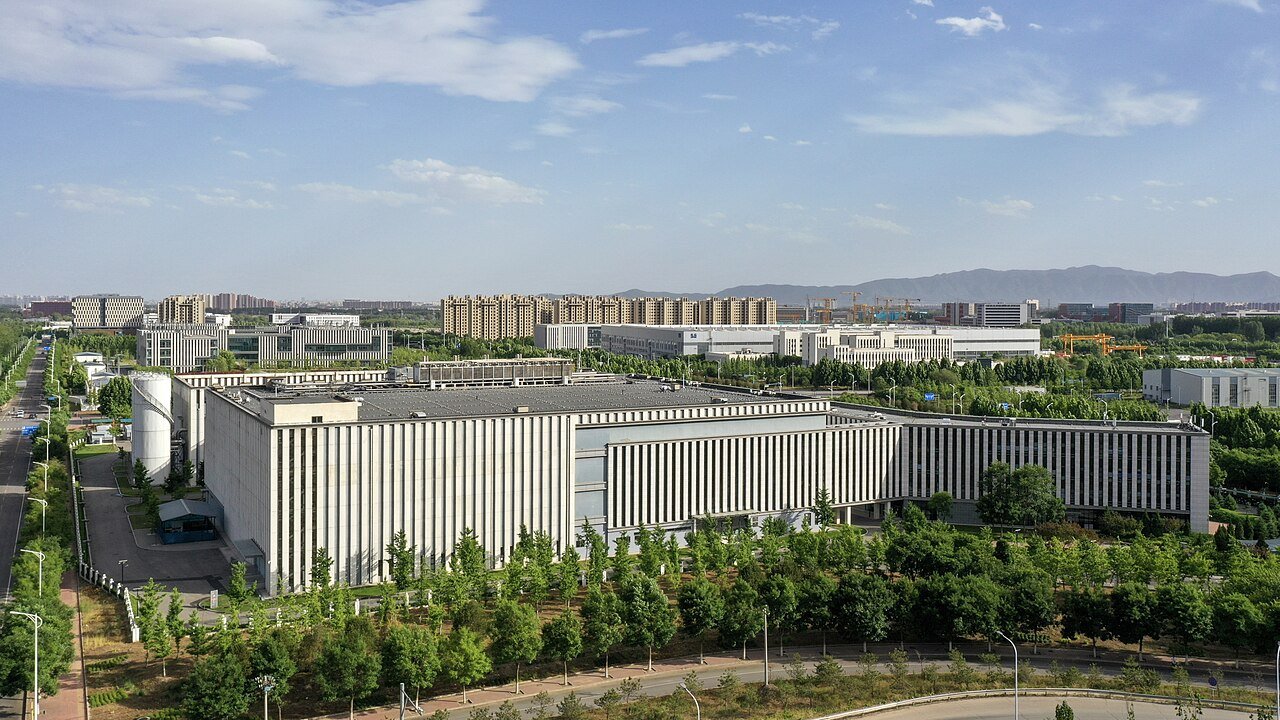
A developer controls when power, water and fiber arrive, and the building has to be ready the day they do. Data center construction is a race to be ready for energization, and the shell, the structure, the mechanical plant and the electrical rooms all have to reach the commissioning window together. We build data halls and campus infrastructure in New Mexico, from the first grading pass to the handoff for the owner's equipment.
A data hall is a large, simple box wrapped around very complicated systems. The shell is usually tilt-wall, precast or steel frame with a roof strong enough to carry mechanical equipment, a flat, tough slab, and a tight envelope that keeps out dust and moisture. Inside, power paths, cooling and fire protection are laid out for redundancy, and the sequence has to protect finished clean spaces from the dirt of everything still being built.
We bring a field crew's view of sequencing: where the cranes stand, which trade enters when, how the roof is dried in before gear arrives, and how the owner's equipment contractors and commissioning agent get access. The goal is that the project reaches energization in the order the owner's plan requires.
Scale seen at Los Lunas and on the west side
The Meta campus at Los Lunas shows the pattern. A November 2021 report said an additional $800 million would bring total investment to $2.2 billion for nearly 3.8 million square feet of data center space, adding two buildings to the six already planned. A July 2025 report in the Santa Fe New Mexican said the project employed more than 1,000 construction workers at its peak and has produced $145 million in gross receipts tax for the village.
Across the Rio Grande, a planning brochure hosted by the City of Albuquerque describes the planned Paseo del Volcan corridor as a roughly 30 mile four-lane freeway linking I-40 and US 550, meant to open thousands of acres on the west side for manufacturing, distribution, data center and warehouse facilities. The cost estimate in that brochure dates from July 2014, so it is a planning signal rather than a schedule. It does show where land, power and access are being lined up around Rio Rancho, and where a builder needs crews and materials ready.
How we sequence a data hall
We split the work into packages that can run in parallel. An early works package covers clearing, mass grading, drainage, utility trenches and the underground electrical duct banks that must exist before slabs are placed. A structure package follows with foundations, slab, frame or wall panels and roof. Then comes dry-in, which marks the point at which the interior can be kept clean, and the building changes from a construction site into a controlled environment.
After dry-in, mechanical, electrical and fire protection trades rough in, the slab is sealed, filters and clean protocols are introduced, and the owner's equipment goes in. Where the owner builds the same hall repeatedly, we record what worked: crane picks, rebar templates, slab pour sizes, conduit layouts. Each building then runs faster than the one before, and the lessons are carried into the next phase by the same crew.
What moves a data center budget
The equipment inside a hall is usually owner-furnished, so the construction budget is driven by structure, site and the installation of systems. Roof load for mechanical units, slab loading, the amount of fill and drainage work, the length of duct bank and the number of electrical rooms matter most. Redundancy requirements change the size and count of electrical and cooling spaces, and each added path adds footprint, structure and commissioning time. Support structures are priced separately under data center support buildings.
Labor logistics are a cost as well. A peak workforce of more than a thousand people needs parking, badging, restrooms, shuttle routes and an orientation program, and those must be in place before the headcount arrives. The state's commercial energy code, which adopts the 2021 International Energy Conservation Code as amended, applies to all new permits since July 30, 2024, so lighting, envelope and mechanical efficiency are part of the design and the price.
Safety when thousands of tasks share one site
A large data center site has many trades working at once in a limited footprint. Safety depends on daily coordination: a morning meeting that lists the lifts, the energized work, the hot work and the excavations for the day, and a site map that shows crane swing zones and haul routes. Each task that affects another trade is covered by a permit to work, and energized or lockout work is limited to qualified crews with a written plan.
The desert setting adds hazards that a builder in a mild climate would not plan for. Summer heat, spring wind and blowing dust affect lifting, concrete placement and the cleanliness of the building envelope. We schedule pours and lifts around those conditions, supply water and shade for the crews, and keep dust control active on haul roads so that it does not reach the dried-in building.
Where we build data facilities in New Mexico
The corridor along I-25 south of Albuquerque, which includes Los Lunas and Belen, is the most active. Near Belen, the Rio Grande Industrial Park is a marketed site of about 365 acres next to the Valencia Power Generation Station, a reminder that power access is a siting factor. On the west side, Rio Rancho and Sandoval County are shaped by the road network and by industrial land along the proposed corridor.
In the south, Santa Teresa combines a border industrial base with a large data campus under construction. Projects in each of these areas are handled through our data center work, and owners in this sector can find more detail under data centers as an industry.
Bring the energization date and the site
Share the parcel, the hall program and the utility schedule. We will return an early works plan, a package sequence and the questions your design team should answer next.
Common Questions
How early should a contractor be involved in a data hall project?
As early as site selection if possible. Geotechnical findings, drainage, utility routes and crane access can change the cost of a site by large amounts, and the building shell is much easier to plan when we know how many halls will follow. Early involvement also lets us start long-lead procurement and early works while design continues.
What controls the schedule on a data hall?
Usually the energization date. Utility service, switchgear delivery and commissioning windows set the target, and the shell, roof, slab and rough-in work backward from it. We keep a schedule tied to equipment delivery dates and review it every week with the owner's team.
How do you keep a dried-in hall clean while work continues?
We seal the slab early, control entry points with tack mats and cleaning stations, use temporary walls to separate finished areas, and keep wet trades out after dry-in. Material that arrives dirty is washed or wrapped before it enters. The sequence of trades is arranged so that the cleanest work happens last.
Can a campus be built in phases while the first halls operate?
Yes, and most campuses are. The risk is dust, noise, vibration and traffic near live halls, so we use separate gates, marked haul routes, dust control and a permit to work for digging near energized duct banks. Tie-ins are done in written outages with the operator's staff present.
What do you need to give a budget?
The site and soils information, the hall size and count, the power and cooling approach, and the owner-furnished equipment list. With those we can show a budget that separates site, structure, envelope and installation, and we update it at each design milestone.
Related
Related Services
Related Building Types
Related Service Areas
Ready to talk about your project?
Request a Project ReviewOne project team for the whole sequence
Industrial Contractors of New Mexico reviews the site, the loads, the schedule and the approvals before pricing, then schedules, coordinates and inspects the specialty trade partners from preconstruction through closeout.