Getting a delivery truck up a canyon road and onto a small lot is the first real task on a Cimarron job, and we plan it before we price the building. We build maintenance shops, equipment storage, utility buildings and gravel or paved yards for owners in Colfax County, and what sets this work apart is distance and access: a long way from the big suppliers, on roads that were not laid out for loaded concrete mixers. When a private drive is needed, our heavy-haul access roads scope builds it to carry the trucks.
U.S. Route 64 passes through Cimarron, leading west up Cimarron Canyon and northeast to Raton, while State Road 58 runs east about 19 miles to Interstate 25. Those two roads are the supply lines. A load of steel from the interstate takes SR 58, a load from the north may come from Raton, and a pour that must climb the canyon has a different set of limits again. We confirm the route, the weights and the timing with each supplier and with the owner before we commit to a date.
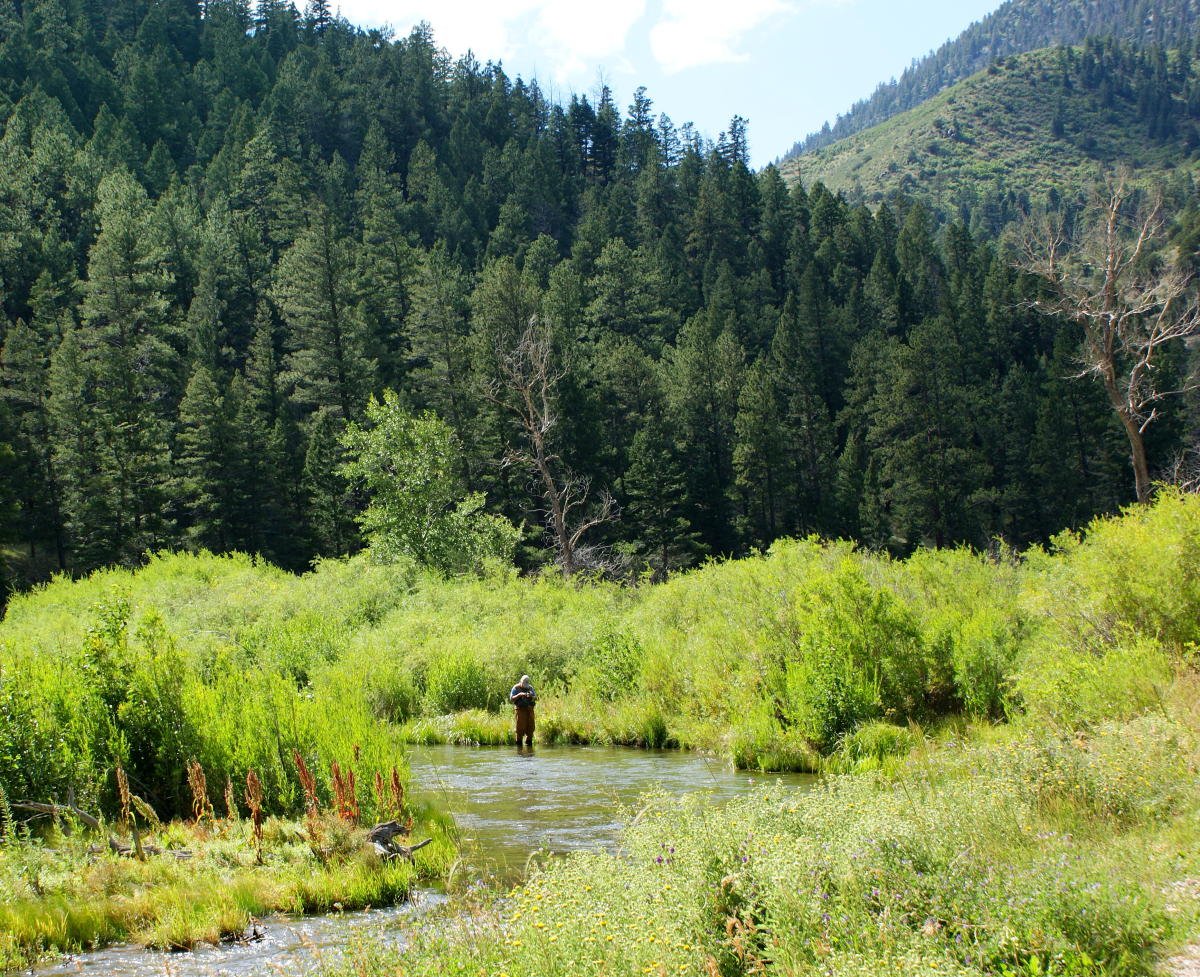
Cimarron sits on the Cimarron River, a tributary of the Canadian River, at an elevation of 6,421 feet. The river shapes the valley floor, the groundwater and the flood risk, and the elevation shapes the winters. Together they decide how we plan the foundation, the drainage and the season for outdoor work.
Canyon access, river valley and small-town sites
Most of our work in Cimarron happens on lots with some combination of river proximity, limited road width and few neighbors who can hear the machines. A parcel near the Cimarron River needs a flood and drainage assessment, and we ask the approving authority whether mapped hazard areas apply. Where they do, we raise the finished floor, grade the site to shed water and design the foundation for the groundwater the geotechnical report predicts.
We also plan for limited local services. The nearest large supplier, rental yard and inspection resource may be a long drive away, so we plan for the equipment and spare parts the work needs to arrive with the trades, and we schedule inspections far enough ahead that an inspector can reach the site. Temporary power, water and sanitation are set up at the start because they cannot be borrowed from next door, and the permanent site utilities package follows once the survey and soils report are in.
Shops, storage and service buildings for camps and operators
Philmont Scout Ranch, described as the largest youth camp in the world, covers 140,177 acres in the Sangre de Cristo Mountains in Colfax County and is owned by Scouting America. Philmont is located just four miles south of Cimarron, and the village's growth is tied to that proximity and to summer tourism. Large seasonal operations like that rely on a supporting cast of vehicle shops, supply warehouses, equipment sheds and utility buildings, and the businesses that serve them need the same kind of buildings.
The most common request is a maintenance shop with service bays: a steel building with tall doors, a floor with drains and a strong slab, plus a small office. Owners also ask for cold storage sheds, tool and parts rooms and open-sided canopies for equipment. We design them for snow load and for ease of expansion, and we finish them with colors that suit the setting. We are not part of any project at the camp; the point is the kind of operator whom the area attracts.
Why costs differ in a remote valley
Distance adds cost in three ways. Materials cost more to deliver, crews need to travel or stay nearby, and equipment has to be mobilized from further away. On a small project those items can make up a bigger share of the budget than they would in a larger town. We show them as separate lines so that the owner sees what is driving the price and can decide which options to keep.
Savings are possible when the owner is flexible. Combining several small buildings into one mobilization, buying standard components and allowing the crew to work in the best months all reduce cost. Where the owner wants an extended stabilized parking lot for visitors or staff, we build it in the same mobilization as the shop so the equipment is already on site and the base material is delivered once.
Remote-site safety and emergency planning
When a hospital or fire station is far from the job, a minor injury can become a serious one. We prepare for that by posting emergency contacts and the route to the nearest medical facility at the gate, carrying first-aid and trauma supplies, and training supervisors in basic response. Weather monitoring is part of the daily briefing because mountain storms can arrive quickly.
The standard controls apply as well. A permit to work covers excavation, hot work and electrical tie-ins, and utility locates are completed before digging. For owners with energized equipment, our utilities and power procedures require lockout and tagout by the owner's operator before we touch a line. Wildlife and livestock are common near these sites, so we fence the work area and secure food and waste so that animals are not drawn to the yard.
Seasons, supplier lead times and the canyon road
The best working months in Cimarron are the warm ones, and the schedule is built around them. Foundations and concrete should be placed before cold weather arrives, steel can be erected into the fall and interior work can continue in winter inside a closed building. We explain these windows to owners at the start so that they can plan around them, and we set a clear date after which exterior concrete will wait for spring.
Neighbors in other Colfax County towns face the same pattern. Raton is the closest larger town, and Las Vegas lies south along the interstate. The statewide code basis is the same throughout the county: the 2021 New Mexico Commercial Building Code, which adopts the 2021 International Building Code as amended and took effect July 14, 2023.
Planning a shop or yard in Cimarron?
Tell us where the lot is, what it needs to hold and when you want it open. We will plan the route in, check the river and drainage and return a scope with every approval and delivery in order.
Common Questions
How do you get concrete to a remote site near Cimarron?
We choose the route, confirm that the supplier's trucks can use it and time the pour so that the concrete is placed within its allowable window. For longer hauls we use retarding admixtures, and for sites with poor access we sometimes bring a portable batch setup or break the pour into smaller sections.
Is the Cimarron River a flood concern for my lot?
It can be, depending on where the lot sits relative to the river and its tributaries. We check flood information, ask the approving authority and recommend an engineering study when risk is unclear. The result affects the elevation of the floor, the location of the building and the drainage design.
What building is best for a seasonal operation?
A simple steel building with a good slab, adequate insulation for the months it is in use and a layout that can be locked up easily. It should handle snow loads, and it should be easy to expand. We can compare a basic shell with an insulated building and show the difference in cost and comfort.
Can you build for businesses that serve the camps and summer visitors?
Yes. Vehicle shops, supply storage, equipment sheds and yards are all within our scope. Seasonal operators care most about being ready before the busy months, so we work back from your opening date and show which approvals and deliveries control it.
How do inspections work when the site is far from the building department?
We schedule them early, tell the inspector what stage the work will be at and confirm the route and the access. If an inspection must be rescheduled, we adjust the crew's work so that nothing is covered up before approval.
Related
Related Services
Related Service Areas
Ready to talk about your project?
Request a Project ReviewOne project team for the whole sequence
Industrial Contractors of New Mexico reviews the site, the loads, the schedule and the approvals before pricing, then schedules, coordinates and inspects the specialty trade partners from preconstruction through closeout.